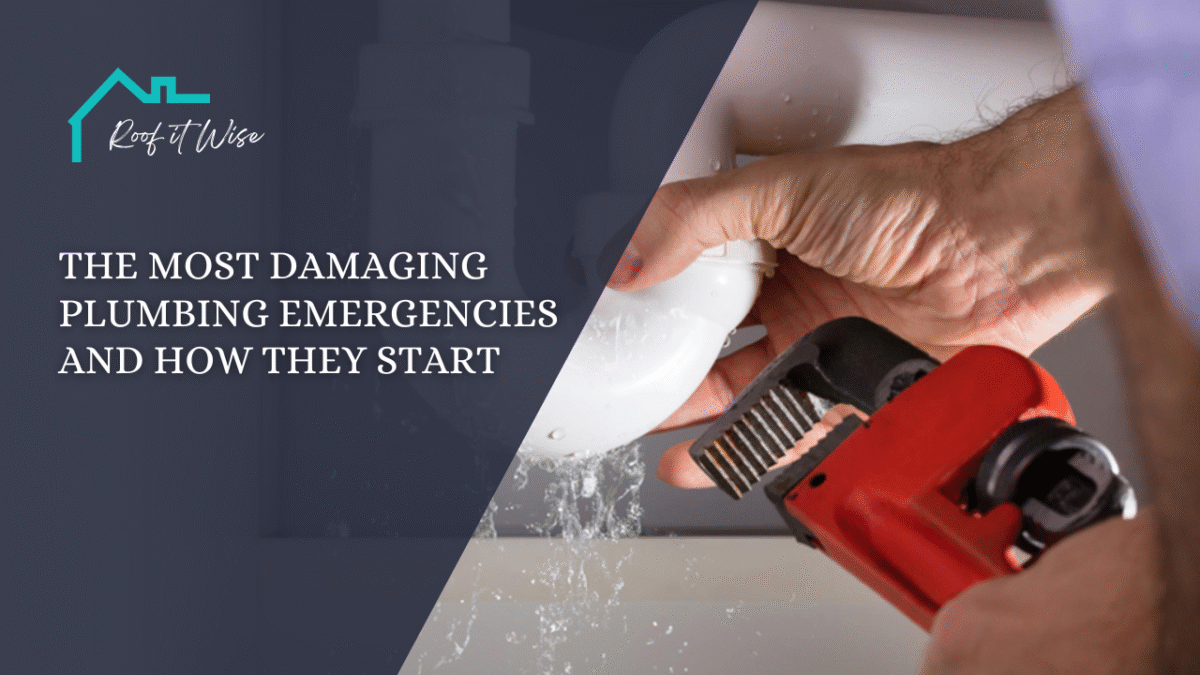
Plumbing emergencies rarely announce themselves. One moment everything seems fine, and the next you’re dealing with water pouring through the ceiling, a flooded basement, or a bathroom that simply won’t drain. The reality is that most plumbing disasters have a root cause — and understanding how they start is the first step toward preventing them. Here’s a look at the most damaging plumbing emergencies homeowners face and the warning signs that often go ignored until it’s too late.
1. Burst Pipes
Burst pipes are among the most catastrophic plumbing events a homeowner can experience. A single burst pipe can release hundreds of gallons of water in a matter of hours, causing structural damage, ruining flooring and drywall, and creating the perfect conditions for mold growth.
How They Start
Burst pipes most commonly occur during freezing temperatures when water inside the pipe expands as it turns to ice. The pressure this creates is enough to split even copper pipes. However, temperature isn’t the only culprit. Corrosion from aging pipes, excessive water pressure, and physical damage from construction work or settling foundations can all weaken pipes until they finally give way. The warning signs — strange banging sounds, discolored water, or a sudden drop in water pressure — are frequently dismissed before disaster strikes. If you suspect your pipes are at risk, calling an emergency plumber in Fairview, NJ before a small problem becomes a flood is always the smarter move.
2. Sewer Line Backups
Few plumbing problems are as unpleasant — or as expensive to fix — as a sewer line backup. When raw sewage begins flowing back into your home through drains, toilets, or floor drains, the health risks and property damage are severe. Cleanup alone can cost thousands of dollars, and the odor can linger long after repairs are made.
How They Start
Sewer line backups are typically triggered by one of three causes: blockages from grease buildup, flushed wipes or debris; tree root intrusion into older clay or concrete pipes; or a collapsed section of the sewer line itself. The early warning signs include multiple slow drains throughout the house, gurgling sounds from toilets, or water backing up in a shower when you flush the toilet. Ignoring these signals almost always leads to a full backup.
3. Water Heater Failures
A failing water heater may not seem as dramatic as a burst pipe, but when a tank ruptures, it can release 40 to 80 gallons of scalding water into your home instantly. Beyond the flood damage, a failing water heater can also pose fire and carbon monoxide risks if gas-powered units are involved.
How They Start
Sediment buildup at the bottom of the tank is the most common cause of water heater failure. Over time, minerals from hard water settle and accumulate, forcing the heater to work harder and eventually causing the tank lining to crack. Corrosion, a faulty pressure relief valve, or simply age — most water heaters have a lifespan of 8 to 12 years — are other leading contributors. Rumbling or popping sounds coming from the tank are a clear sign that sediment buildup has become a serious problem.
4. Toilet Overflows and Clogs
A toilet overflow might seem like a minor inconvenience at first, but contaminated water spreading across bathroom floors and seeping into subfloors can quickly escalate into major structural and hygiene issues. In multi-story homes, an overflowing toilet can damage ceilings on lower floors within minutes.
How They Start
Toilet overflows are almost always the result of a blockage in the drain or further down the sewer line. Flushing non-flushable items — wet wipes, cotton balls, paper towels, and even excessive toilet paper — are common causes. A malfunctioning fill valve that keeps water running into the tank without stopping is another cause that many homeowners overlook. Repeated slow flushing is usually the first sign that a serious clog is developing.
5. Hidden Leaks Behind Walls and Under Floors
Unlike a burst pipe, hidden leaks do their damage slowly and silently. By the time a hidden leak becomes visible — through a stain on the ceiling, warped floorboards, or peeling paint — significant structural damage and mold growth may already be underway. These repairs are often among the most costly because of how far the damage has spread.
How They Start
Hidden leaks typically begin at pipe joints, around appliance connections, or where pipes pass through walls and framing. Corrosion, high water pressure, and poor original installation are frequent causes. A water bill that is gradually increasing without an obvious explanation, musty smells in certain rooms, or unusually warm or cold spots on floors are all indicators that a hidden leak may be present.
Prevention Is Always Cheaper Than Repairs
The thread running through every one of these emergencies is that they rarely happen without warning. Scheduling regular plumbing inspections, addressing slow drains and unusual sounds promptly, insulating exposed pipes before winter, and replacing aging water heaters before they fail are all straightforward steps that can save homeowners thousands of dollars and enormous stress.
When in doubt, contact a licensed plumber at the first sign of trouble. A small service call today is always a better investment than an emergency restoration job tomorrow.
Also Read: